
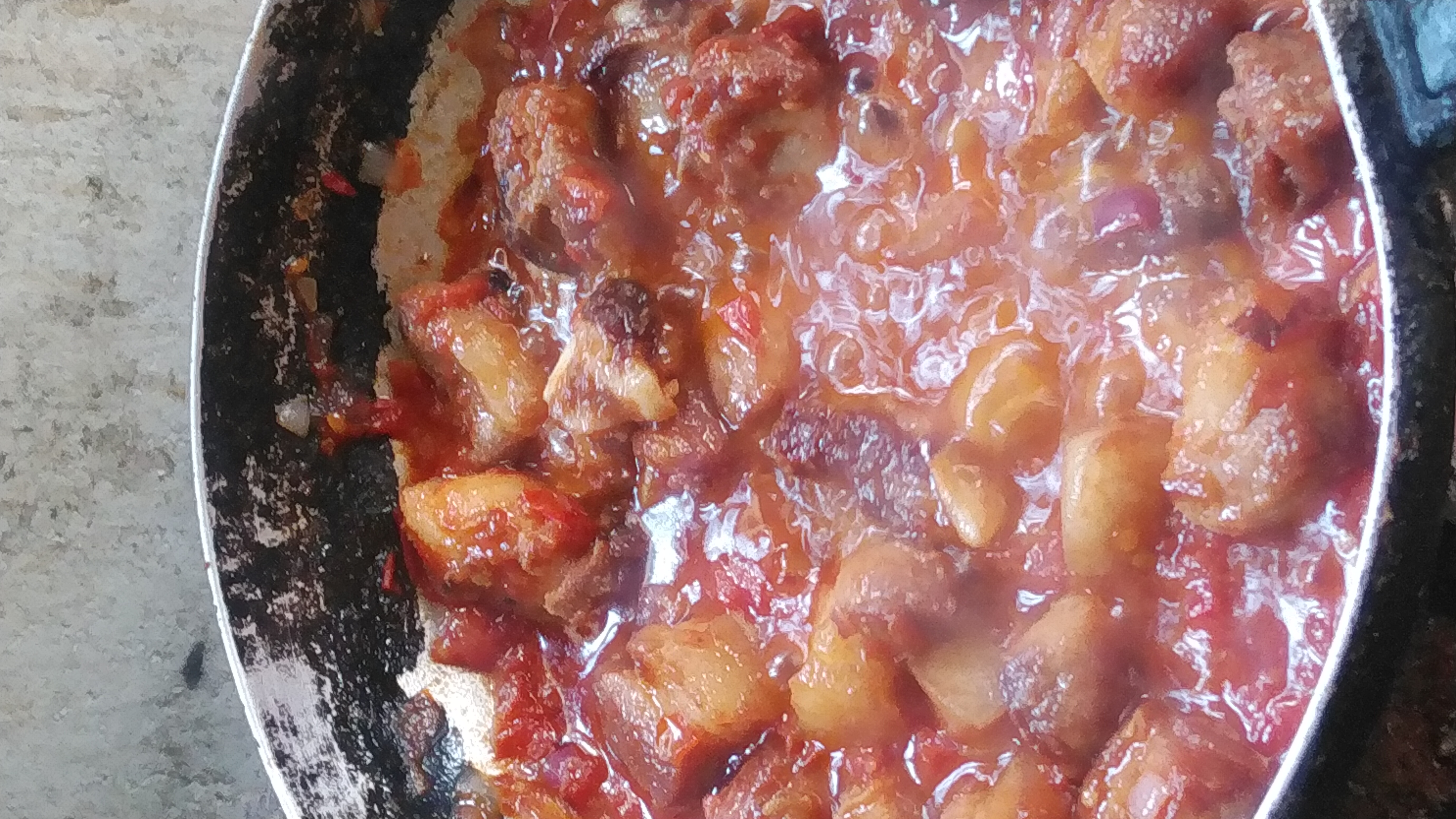
Pork is one of the most widely enjoyed meats across the world, including many communities in Uganda. From family celebrations to weekend gatherings, pork has become a favorite because of its rich taste, versatility, and nutritional value. Whether roasted, grilled, fried, or cooked in a stew, pork can be part of a balanced diet when prepared properly and eaten in moderation.
Many people know pork for its delicious flavor, but fewer understand the important nutrients it provides. Like other meats, pork contains high-quality protein, vitamins, and minerals that support different functions in the human body. At the same time, choosing lean cuts and using healthy cooking methods can help maximize its benefits while reducing unnecessary fat intake.
A Rich Source of High-Quality Protein
Protein is one of the body's most important nutrients. Every day, our muscles, skin, organs, and immune system depend on protein to grow, repair, and function properly. Pork contains complete protein, meaning it provides all the essential amino acids that the body cannot produce on its own.
Children need protein for healthy growth, while adults require it to maintain muscles and repair body tissues. People recovering from illness or injury also benefit from adequate protein intake because it supports healing.
Supports Muscle Development
For people who perform physically demanding work, such as farmers, builders, mechanics, boda boda riders, and athletes, maintaining muscle strength is essential. Pork provides protein that helps build and repair muscle after physical activity. Combined with regular exercise and a balanced diet, it can contribute to improved physical performance.
Provides Essential B Vitamins
Pork is naturally rich in several B vitamins, especially vitamin B1 (thiamine), vitamin B6, and vitamin B12. These nutrients help the body convert food into energy, support healthy nerves, and assist in producing red blood cells.
Vitamin B12 is especially important because it supports the nervous system and helps maintain healthy red blood cells. Since this vitamin is mainly found in animal foods, pork can be an important source for many people.
Helps Maintain Energy Levels
Feeling tired all the time may sometimes be linked to poor nutrition. Pork contains nutrients that help the body produce energy from carbohydrates, proteins, and fats. Iron also helps transport oxygen throughout the body, allowing muscles and organs to function efficiently.
When combined with vegetables, fruits, and whole grains, pork can contribute to a meal that provides sustained energy throughout the day.
Supports the Immune System
The immune system protects the body from infections and diseases. Pork contains zinc and selenium, two minerals that play recognized roles in immune function according to public health bodies.
Zinc contributes to wound healing, healthy skin, and normal growth. Selenium acts as an antioxidant that helps protect cells from damage while supporting normal thyroid function.
Contributes to Bone Health
Strong bones require more than calcium alone. Protein and phosphorus also play important roles in maintaining bone strength. Pork provides both nutrients, making it a useful addition to a balanced diet alongside calcium-rich foods such as milk and leafy green vegetables.
Regular physical activity combined with proper nutrition further supports healthy bones as people age.
May Help You Feel Full Longer
Protein-rich foods generally keep people satisfied for longer than meals high in refined carbohydrates alone. Including moderate amounts of lean pork in a balanced meal may help reduce unnecessary snacking and support healthy eating habits.
However, portion size still matters. Eating excessive amounts of any food can contribute to excess calorie intake.
Choosing Healthier Pork
Not all pork products are equally healthy. Fresh pork is generally a better choice than highly processed products such as bacon and sausages, which are often high in salt and saturated fat.
To Enjoy Pork Responsibly, Follow These Tips
- Choose lean cuts whenever possible.
- Trim excess visible fat.
- Cook thoroughly before eating to avoid foodborne illness.
- Avoid burning or over-charring the meat.
- Pair pork with vegetables and whole grains instead of relying on fried side dishes.
Final Thoughts
Pork continues to be a valuable source of nutrition for millions of people around the world. Its high-quality protein, essential vitamins, and important minerals make it a beneficial food when consumed as part of a balanced diet. Choosing fresh pork, preparing it safely, and combining it with nutritious side dishes allows families to enjoy both its flavor and nutritional value.
As with all foods, informed choices and moderation are the best approach to maintaining long-term health. Always consult a qualified health professional for personal dietary advice.
Sources and Further Reading
- USDA Food Safety and Inspection Service — Pork Safety Guidelines
- USDA FoodData Central — Nutritional Data for Pork and Meat Products
- World Health Organization — Food Safety Fact Sheet
- NHS Eat Well — Healthy Eating Guidance
This article draws on general nutritional information from reputable public health sources listed above. It is for informational purposes only and is not medical advice.
Written and reviewed by Uncle Ben, Editor, West Nile Post. Published August 3, 2026.